(1) ‘Chisato’s Ama Hut’ – Intangible Cultural Heritage of Mie Prefecture
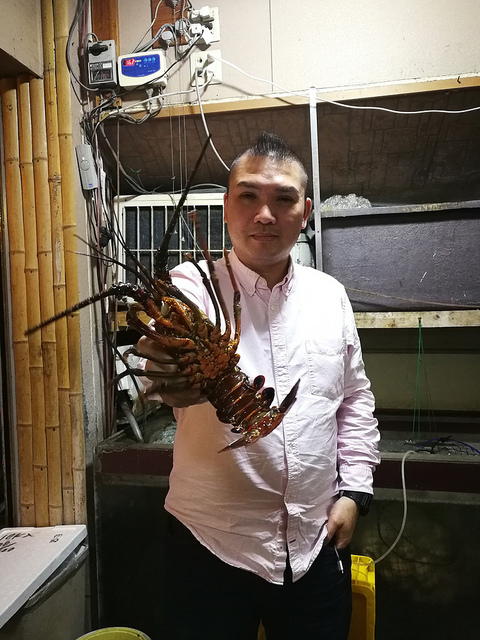
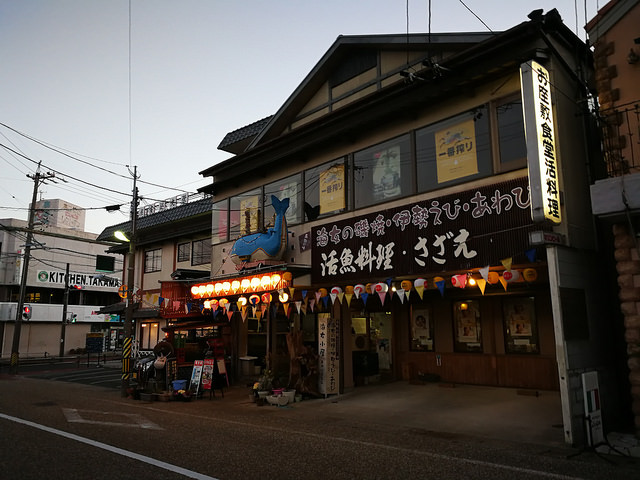
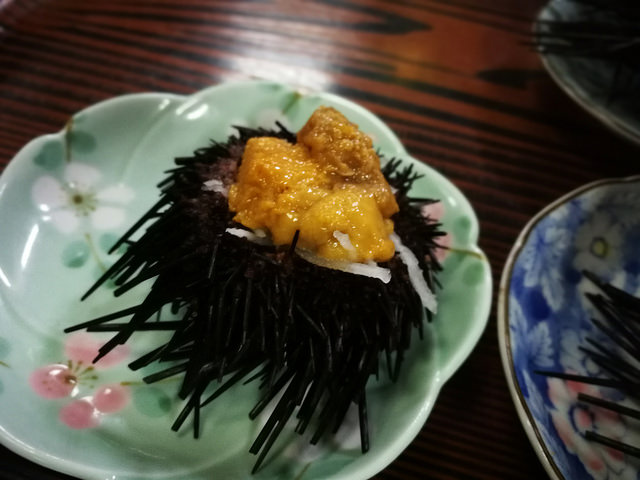


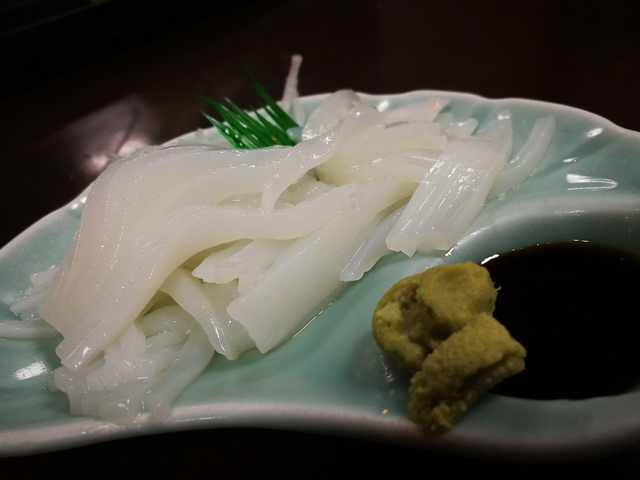

‘Ama’ refers to female divers who dive into the deep sea without the use of breathing apparatus or diving equipment, catching seafood such as abalone, sea urchins, oysters and lobsters with their bare hands. With the advancement of technology, this profession, which dates back thousands of years, nearly faced extinction. Half of Japan’s remaining ‘ama’ are based in the Toba region of Mie Prefecture, known as the ‘home of the ama’. Fortunately, in recent years, the ‘ama’ have been designated as an Important Intangible Cultural Heritage, attracting the attention of tourists.
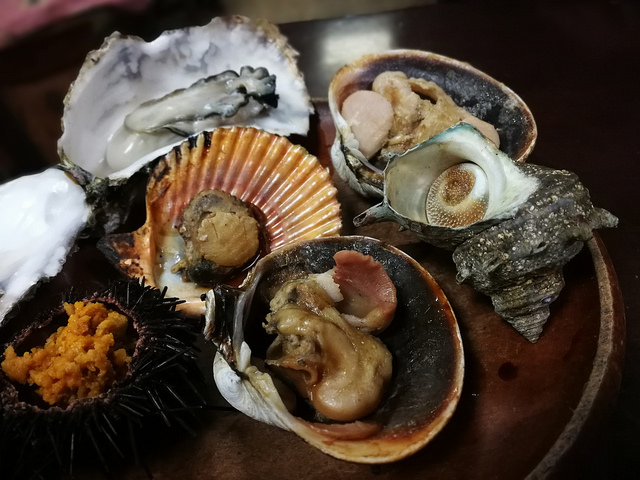
As soon as you step out of Toba Station, you’ll see a row of ‘ama huts’—once used as resting places for ama divers—which have now been converted into restaurants serving grilled seafood and a variety of other seafood dishes, all prepared with ingredients freshly caught each day by the ama divers themselves. We chose to dine at ‘Chisato’. The ‘Iso-yaki’ (seaside grilling) method is the best way to savour the natural flavour of the seafood. That day, we ordered the restaurant’s recommendation: the ‘Shellfish Grill Set’ for 1,600 yen, featuring five types of shellfish. The selection varies with the seasons; on that day, it included large clams, oysters, conch, scallops and sea urchin. We also ordered squid sashimi and an Ise lobster hotpot, among other dishes; everything was incredibly fresh and reasonably priced. However, please note that the restaurant’s opening hours may be subject to change depending on the day’s catch or weather conditions.
(2) ‘Shan’an Seafood’: All-you-can-eat fresh oysters, cooked to order and served immediately, with no time limit

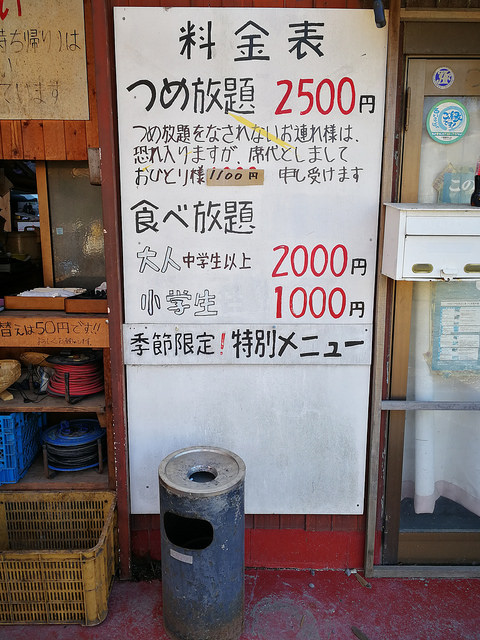


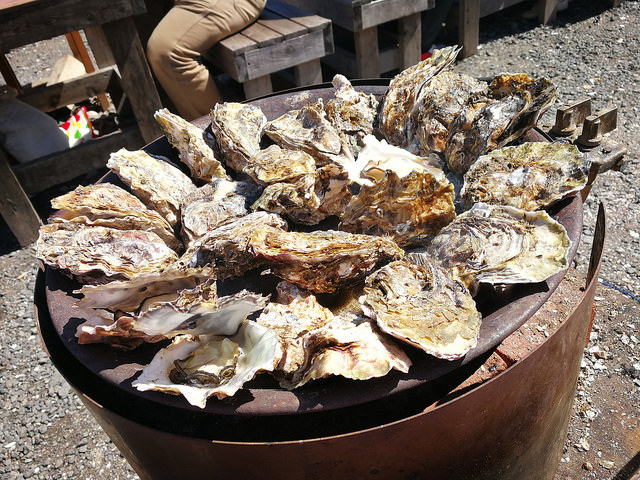
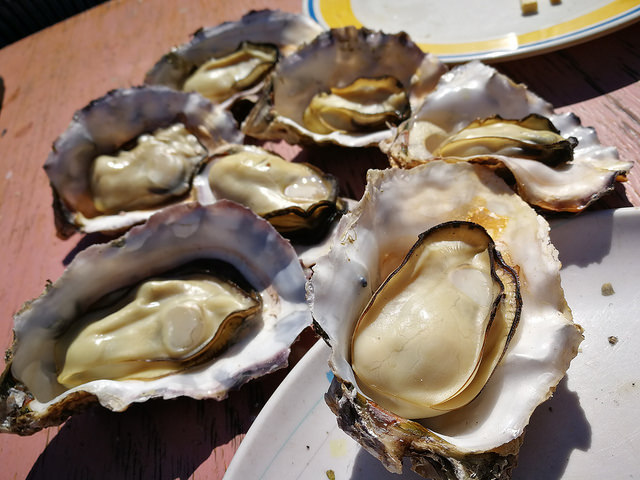
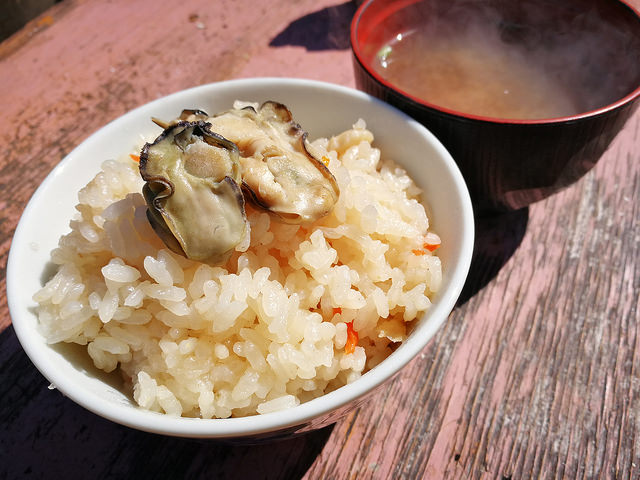


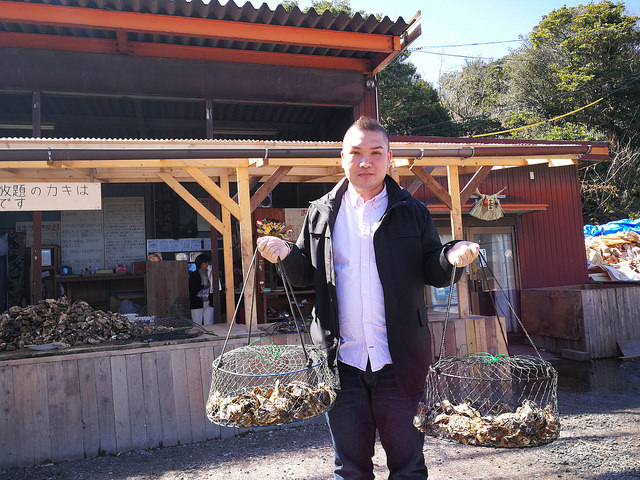
There are plenty of oyster farms along the Ise-Shima coastline, and as it happened to be oyster season, I did a bit of research online and chose ‘Yama-Yasu Suisan’ to experience the joy of grilling and eating oysters fresh from the farm. This is an all-you-can-eat oyster bar where, for 2,000 yen per person (1,000 yen for children), you can eat as much as you like with no time limit. Perhaps because we visited on a weekday, and there were plenty of seats available, we were seated without any trouble despite not having booked in advance.
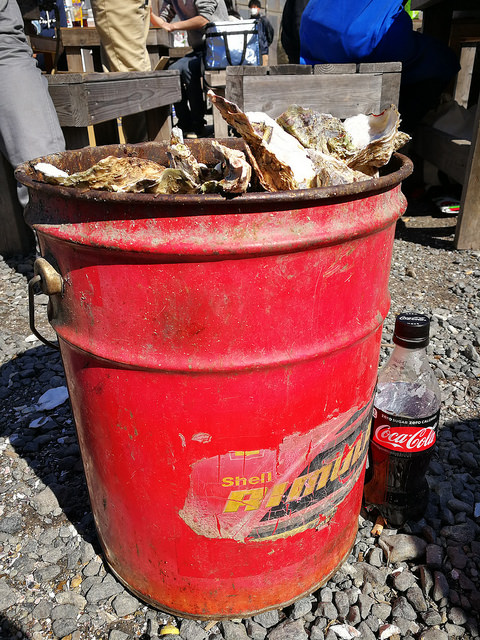
The oyster-grilling spot is a coastal open space, furnished with simple stoves made from old gas cylinders and wooden chairs. The staff provide diners with a basket of raw oysters to grill. The shop recommends grilling them for 10 minutes before opening the shells and grilling for a further two minutes. Hong Kong oyster lovers might find the oysters overcooked. However, oyster farms here generally recommend this safer method of preparation; eating them medium-rare is less common, likely due to hygiene concerns. The oysters here aren’t particularly large, but the advantage is that they’re all-you-can-eat, and a bowl of oyster rice and oyster soup are included. Drinks can be purchased from the vending machines on the premises. Apparently, Japanese people like to bring their own condiments, such as soy sauce or vinegar, to enjoy with their oysters. I’d recommend popping into a convenience store or supermarket first to buy some foil trays, then seasoning them with cheese and butter – I’m sure it would taste delicious. As we hadn’t prepared anything in advance that day, we used some leftover condiments collected by the restaurant from other customers, adding a little cooking sake and chilli oil to bring out the flavour – it tasted quite good.
(3) Ise Grand Shrine: a shrine one should visit seven times in a lifetime

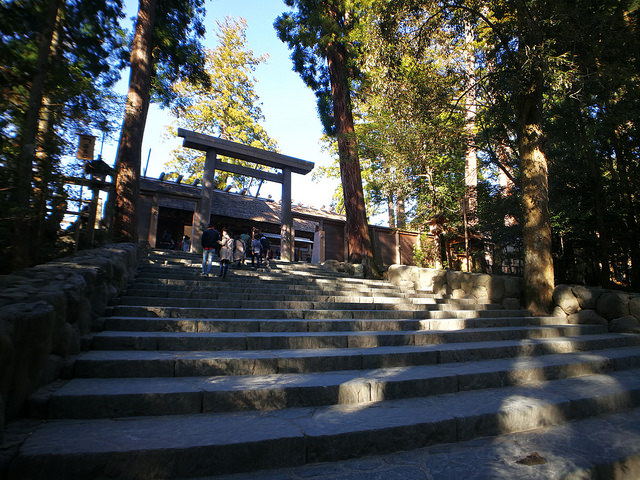
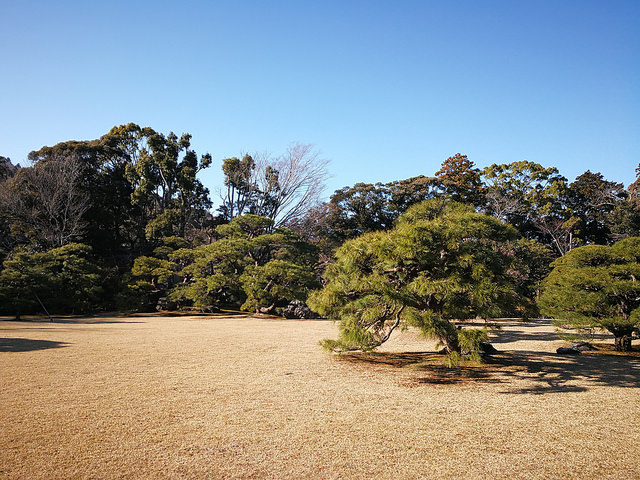
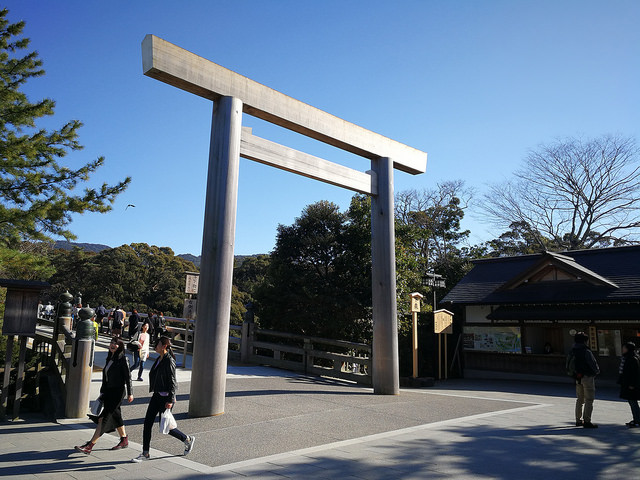
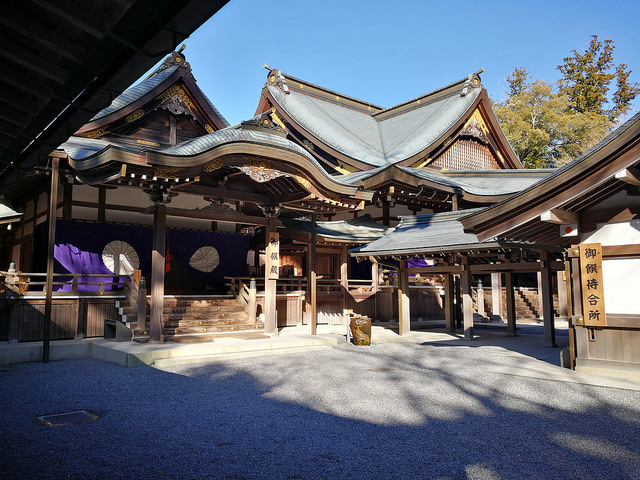

Ise Grand Shrine, located in Ise City, Mie Prefecture, is officially known as ”Jingu” and was founded in 2 BC. It is the foremost of the more than 80,000 shrines throughout Japan. The shrine complex is primarily divided into the Naiku (Inner Shrine) and the Geku (Outer Shrine). The former enshrines ‘Amaterasu Ōmikami’, regarded as the ancestor of the Japanese Emperor, whilst the latter enshrines ‘Toyouke Ōmikami’, who governs and protects the industries related to food, clothing and shelter. In addition, there are numerous other shrines, including branch shrines, subsidiary shrines, affiliated shrines and managed shrines, collectively known as the ‘125 Shrines of Ise Jingu’. All are situated within a 5,500-hectare forest; the site is so vast that the distance between the Naiku and Geku alone is six kilometres. The ‘Jingu’ holds a highly revered status in the eyes of the Japanese; there is even a saying that one should visit Ise Jingu seven times in a lifetime, and even the Emperor of Japan makes a personal pilgrimage there.
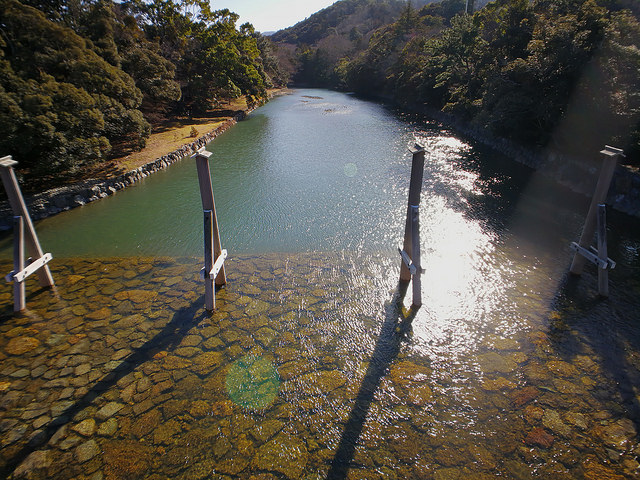
The sacred and solemn shrine is surrounded by ancient trees, some over a hundred years old; the shrine itself is built from these cedar trees, and with the clear waters of the Isuzu River flowing nearby, the area is imbued with a sense of spiritual energy. To ensure the ‘Jingu’ remains ever-vibrant and to allow people to draw new strength from it, the shrine is rebuilt every twenty years; this important ‘Sengu’ ceremony has been held for over 1,300 years. The recommended route for a formal visit is to first pay respects at the Outer Shrine, then take a shuttle to the Inner Shrine, and finally explore the shopping street outside the Inner Shrine to sample local delicacies.
(4) Enjoying delicious Akafuku mochi at TOEFL Alley
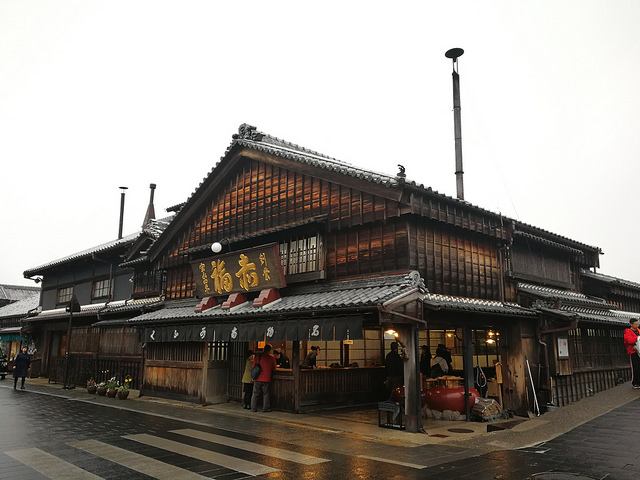

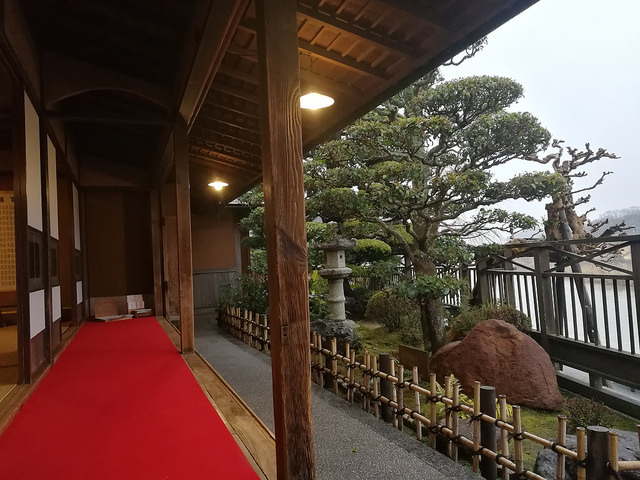


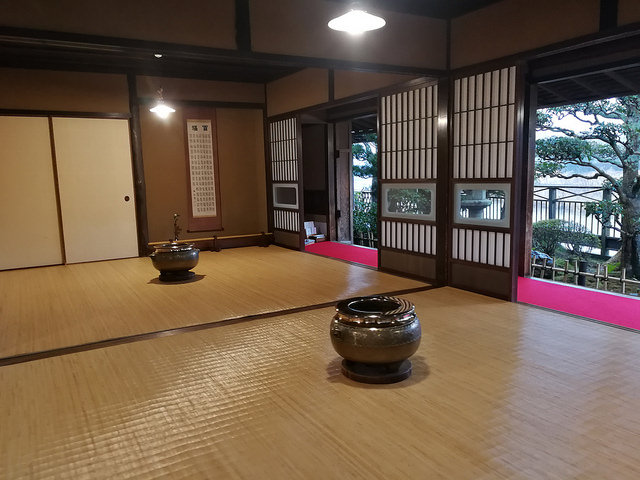
After paying your respects at Ise Grand Shrine, do pop along to the charming, old-fashioned street next door—Okage Yokocho—to browse the shops brimming with local character. The most famous attraction here is undoubtedly the queue-worthy ‘Akafuku Main Store’, where you can sample ‘Akafuku Mochi’, one of Japan’s three most famous souvenirs. Akafuku was founded in 1707 and boasts a history of over 300 years; the main store is housed in a building dating from 1877, exuding classical elegance.
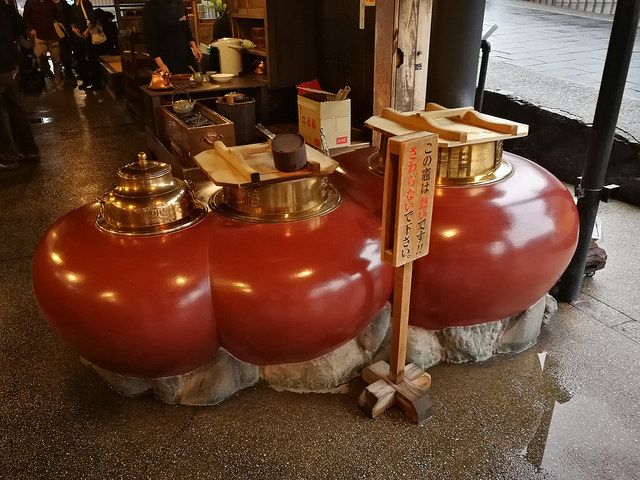
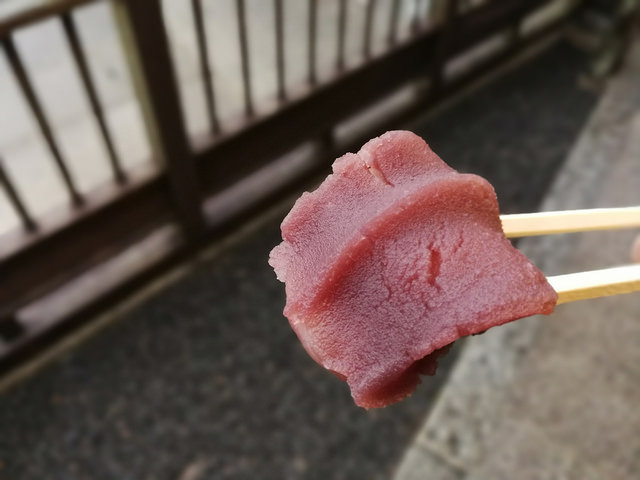
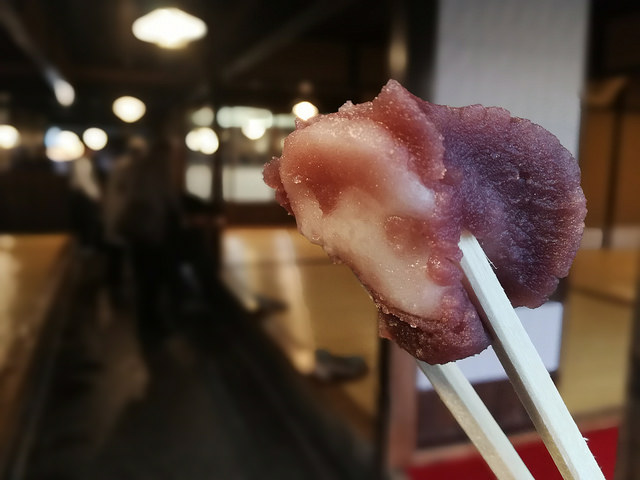
‘Akafuku Mochi’ is actually a glutinous rice cake made with red bean paste. Whilst Daifuku consists of a glutinous rice dough wrapper encasing red bean paste, ‘Akafuku Mochi’ is the exact opposite. The red bean paste is topped with hand-pressed horizontal grooves, representing the flowing waters of the Isuzu River, and is then wrapped in a glutinous rice dough ball symbolising the small pebbles at the riverbed. The red bean paste on the surface is delicate and smooth, whilst the glutinous rice ball is soft, chewy and springy; the overall flavour is sweet without being cloying. The Akafuku Set, priced at 210 yen, includes two ‘Akafuku Mochi’ accompanied by a cup of hot tea. The hot tea is brewed using water heated in the shop’s traditional stove. Sitting on the tatami mats and enjoying the tea and sweets whilst gazing at the clear waters of the Isuzu River adds a special charm to the experience.
Aside from the ‘Akafuku Mochi’, the most popular item here is the limited-edition ‘First-of-the-Month Mochi’, which is released on the 1st of every month; this is when the queues are at their longest. There are also seasonal specialities, such as the winter ‘Akafuku Zenzai’.
 Chinese (Hong Kong)
  Chinese (China)
  English
  Japanese
  Korean