![Fukushima Gourmet. Japan] Eat Fukushima food and learn about the latest situation in Fukushima Prefecture.](https://jonathansin.com/wp-content/uploads/2019/01/33008725058_c14f87b8b8_z-1.jpg)
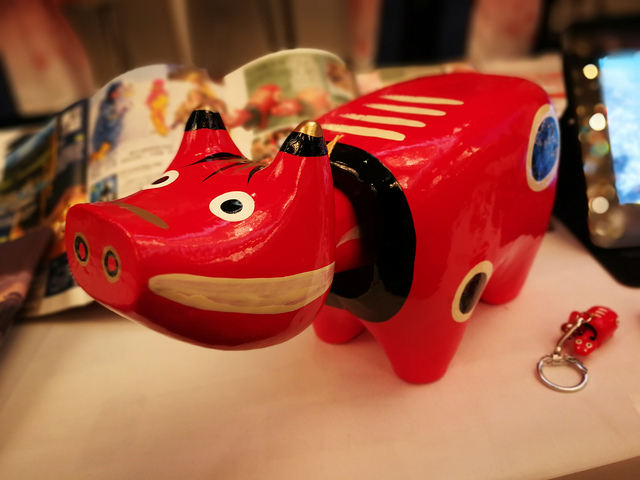
Last year, I went on a trip to Fukushima, and I can still remember the Fukushima beef that melts in your mouth, the big and sweet strawberries, the beautiful scenery of Tsurugajo and Ouchijuku, and the warm and hospitable people. I still remember the reaction of my friends: "Wow! Aren't you afraid of radiation?". I still remember the reaction of my friends at that time. You may not realise that Fukushima is actually 12.5 times the size of Hong Kong, and only 2.7% is now a Radiation Evacuation Zone.
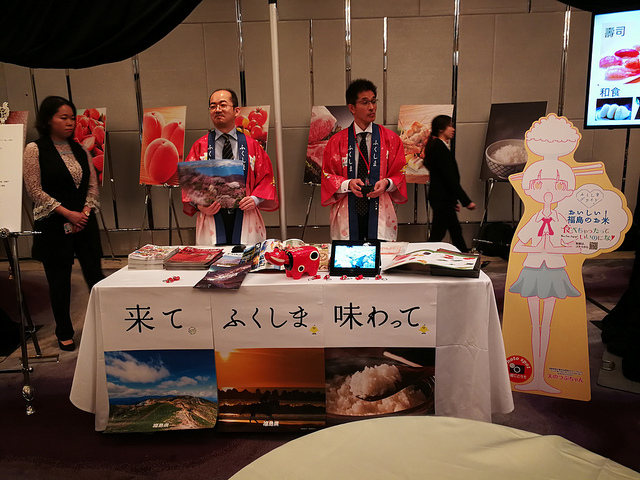

Another year has passed, how is Fukushima doing? Recently, I attended a seminar on the current situation of Fukushima. Apart from learning about the current situation of Fukushima, there was also an exciting Fukushima food sampling session!


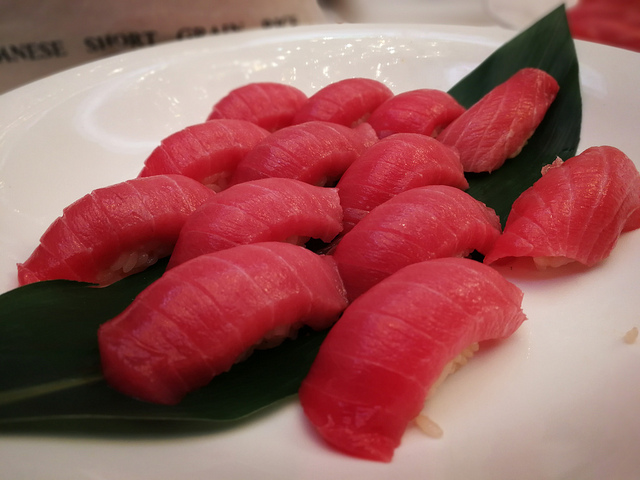


Right from the start, I was attracted to the stylish Japanese sushi chef and sampled his handmade sushi and rice balls, which were really chewy and flavourful, along with the fresh and sweet sweet prawns, sea urchins, mussels and scallops, which we all raved about. The sushi rice was made from "Ten no Tsubu", which was praised by even Japan's leading rice expert, the "Gotsuboshi Omi Mista", and the crispy rice crackers were also good. From now on, you'll have another option to choose from, in addition to Japan's top-grade Special A brands such as Fukushima's Koshihikari Rice and Love at First Sight Rice.


Last time I was in Aizu, I visited a brewery there, and I thought that the local sake was quite good. This year, we were given a variety of sakes to try, each with their own specialities. Among them were Okunomatsu's 'Adatara Ginjo Ginjo', which won the world's first place in the world's largest lure drawing competition IWC 2018, and Daishichi Brewery's 'Minowa Gate Junmai Daiginjo Ginjo', which won the first place and the Platinum Prize of the Jisake Daishow, which was the winner of the Jisake Specialist Evaluator Competition. Perhaps because Fukushima Prefecture has a number of high-quality water sources, the sake brewed in Fukushima is particularly flavourful, and it is no wonder that Fukushima has been ranked No. 1 among 47 prefectures for six consecutive years.


How can you have sake without food to help you drink it? Try the Kawamata Simo Kunsei Maru, smoked with Kawamata military chicken, one of Fukushima's two most popular local chickens. It's flavourful and tender, and with a glass of sake, it's really delicious!


Walking to the other side, I found dozens of cans of 100% Peach Juice "桃の恵み" (Peach No Eme) which I couldn't get enough of last time in Fukushima, so I poured two cans of it right away! Fukushima Prefecture is known as the "Kingdom of Fruits", and the peaches it grows are especially sweet and delicious, so the pure juice is certainly delicious! It's also great for making jam, and this "Momo Reido" peach jam really has a lot of flesh in it!

We also tried an award-winning ganja with a sweet flavour and no alcohol. It's "Stretto Ama Sake", which is naturally fermented with Japanese rice koji by Fukushima's century-old shop, "Hojoya". It is said that you can drink it without getting fat, and it is also good for your face, so even if you drink a few more bottles of it, you won't be afraid of it!


There are other desserts such as "めひかり塩チョコ" (めひかり塩チョコ), "Sea Salt Caramel Chocolate", and "Jade Goat Soup", etc. I couldn't help but eat a few of these, forgetting that I'm still in the middle of a weight loss programme....


After trying a variety of food, a reporter on the spot asked me whether I had confidence in the food and agricultural products of Fukushima. In fact, just from the data, according to the measurement statistics of Japan Tourism Bureau in 2018, the average radiation value of Hong Kong is 0.15uSv/h, while the average value of each area in Fukushima Prefecture is only 0.04 to 0.14. In addition, agricultural products are subjected to JA's All Agriculture Fukushima's gate-keeping before they are sold, and I have visited the Fukushima Prefecture's Agricultural Comprehensive Centre and witnessed the stringent radiation checking process in person.

Japan's safety standards for radioactive material inspection have always been the most stringent in the world, for example, when baby food in Japan, the benchmark value is 50, Europe is 400, CODEX is 1,000, the latest test results show that Fukushima Prefecture's agricultural and aquatic products, rice for four consecutive years, fruits, vegetables and meat for six consecutive years, and seafood for three consecutive years and nine months have not exceeded the radiation level. In fact, through the efforts of the Fukushima Prefectural Government and residents in various aspects, the export volume of agricultural products from Fukushima Prefecture in 2017 was almost 40% higher than that before the disaster. 30 countries and regions around the world have already lifted the ban on importation of foodstuffs, and 20 have partially halted or provided inspection certificates to allow importation, while only China, Hong Kong, Taiwan, and Macao are still halting the importation of foodstuffs from Fukushima Prefecture in large scale. Only China, Hong Kong, Taiwan and Macao still stop the import of food products from Fukushima Prefecture. In terms of tourism, the number of foreign travellers has also continued to grow, and in 2017 exceeded the pre-earthquake figure of 10%, which is a great improvement!

We all know that the Japanese have always attached great importance to children's education and health, so when local primary school students are eating Fukushima ingredients in their school lunches, what else should I be afraid of?
If you are interested in seeing the details of my trip to Fukushima last year.You can click on this.Portal
 Chinese (Hong Kong)
  Chinese (China)
  English
  Japanese
  Korean