![[Hong Kong Cuisine] Mandarin Hall x Da Rong He: Hong Kong’s Michelin-starred restaurant x renowned Sichuan restaurant – September special](https://jonathansin.com/wp-content/uploads/2018/09/man-wah-daronghe-sichuan-food24-620x413-2.jpg)
Sichuan cuisine – hailed as one of China’s eight major culinary traditions – is characterised by its numbing, spicy, savoury and aromatic flavours. ”Da Rong He’ is a renowned modern Sichuan cuisine restaurant with a 15-year history, celebrated throughout China. It has been commissioned by the Catering Industry Association and the Chinese government to represent Sichuan cuisine in numerous international cultural exchange events, blending the flavours of Sichuan and Hunan cuisines. Dishes such as ‘Opening Fortune’, ‘Ronghe Sauce Pork Knuckle’ and ‘The World’s Finest Pork Ribs’ have been successively honoured with titles including ‘Famous Chinese Dishes’ and ‘Famous Sichuan Dishes’. The brand operates six directly-managed restaurants and 37 franchise outlets across the country, employing over 6,000 staff.
That’s what makes Hong Kong so special: even ‘Da Rong He’, the hugely renowned Sichuan restaurant from Chengdu in China, comes here to cook for us. Michelin-starred restaurant – The Mandarin Room. In September, it launched its first collaboration with the renowned mainland Chinese restaurant ‘Da Rong He’, with six chefs from Da Rong He creating over 25 signature modern Sichuan dishes.
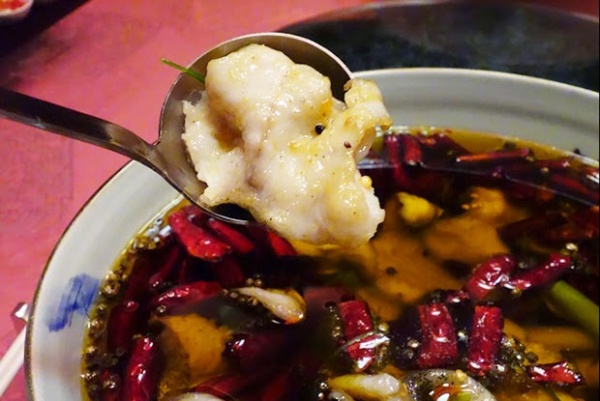
I was fortunate enough to be among the first to sample the menu last month, and I’ve selected a few dishes to share with you. Among them, ‘Da Rong and Kamphor Tea Duck’, ‘A Lucky Start’, ‘Boiling Fish’ and ‘Golden Broth Health Pot’ are definitely must-try tea-style dishes.
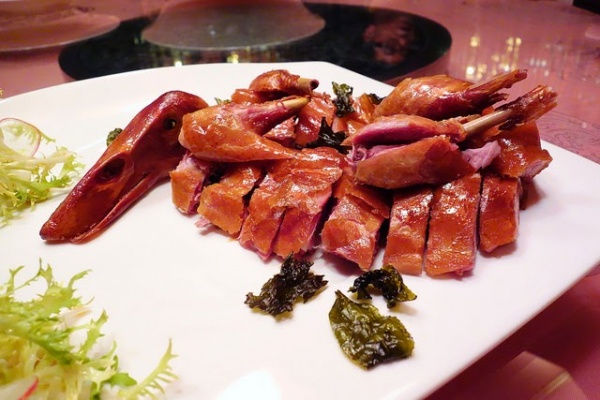
▼ ‘Da Ronghe’s Camphor-Smoked Tea Duck’: First marinated in Shaoxing wine, Sichuan peppercorns, spring onions and sliced ginger, then smoked over camphor wood and jasmine tea. It boasts a rich aroma, with crispy skin and tender meat, and a full-bodied tea-smoked flavour. One of Da Rong He’s signature dishes, a true classic amongst classics.
▼ ”A Lucky Start”: Tender fish heads simmered with fragrant, spicy bird’s eye chillies and large red lantern chillies. Needless to say, this is a variation on the classic dish ‘Fish Head with Chopped Chilli’, and is also Da Ronghe’s signature dish.
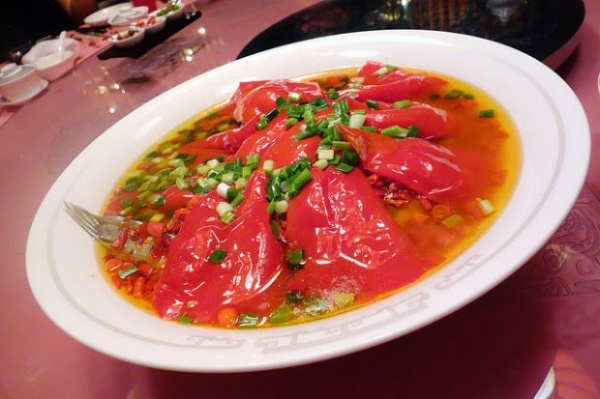
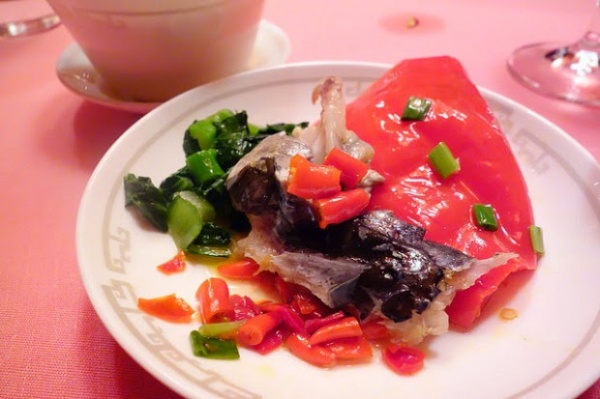
▼ ‘A Lucky Start’: Do enjoy the fish head, and don’t waste the remaining savoury broth—the waiter will serve it up as ‘Wenhua Hall’ at the end. The homemade noodles are placed in the soup to soak up all its fresh, spicy flavour. The noodles are somewhat similar to those found in Shanghai-style soup noodles, with a slightly chewy texture and a faint, pleasant aroma of flour.


▼ If you find that eating noodles leaves you feeling a bit heavy, ‘Kai Men Hong’ can also be served with tender stir-fried vegetable pieces, which help to temper the heat of the bird’s eye chillies.


▼ ‘Golden Broth Health Pot’ is a traditional Sichuan home-style dish – rice porridge – to which premium ingredients such as fish and sea cucumber are added, then topped with fried noodles and chopped spring onions. The porridge is sweet and fresh, with a smooth, velvety texture. Although I am not from Sichuan, eating this rice porridge brings back the flavours of my simple childhood.


▼ After a few spicy dishes, here’s a mild one to give your tongue a rest. This ‘Sichuan Chicken Tofu Pudding with Bird’s Nest’—a dish where you can’t actually see the chicken—is made by mixing minced chicken with egg white and simmering it until it becomes as smooth as tofu pudding. Paired with a fresh, sweet broth and nourishing bird’s nest, it is a soup that requires considerable skill to prepare.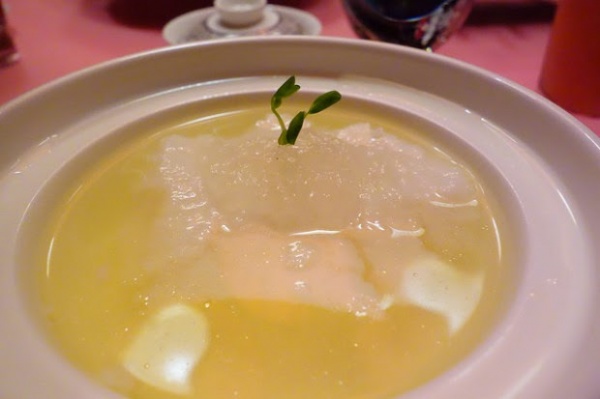
Do try the must-order dishes mentioned above; as for the rest, it’s not that they aren’t delicious, but I’d suggest you take a look at the other options on the menu first. Da Rong He. This time I dined at the Mandarin Hall. With as many as 25 dishes on offer, there’s no need for your meal to be exactly the same as the one I had previously. Right, let me introduce a few more dishes I’ve tried.
▼ ‘Stir-fried Fresh Abalone with Sprouts’ – the abalone is crisp and refreshing, whilst the sprouts are bursting with the aroma of beans.
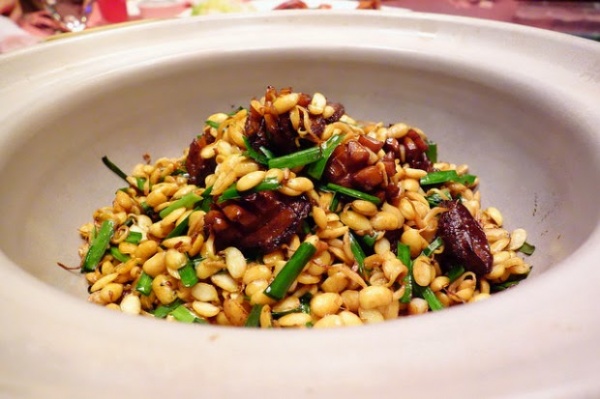
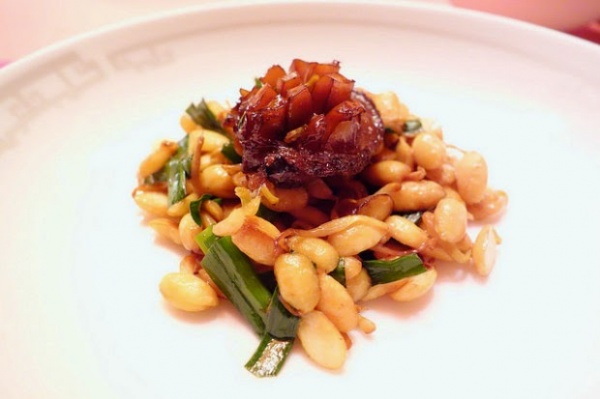
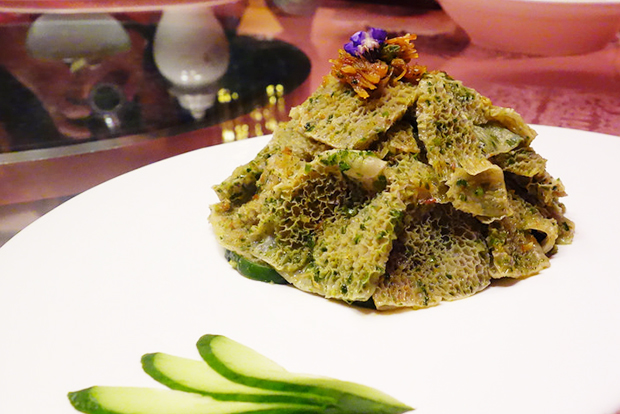
▼ ‘Couple’s Lung Slices’ originates from Chengdu. Made primarily with beef, it is prepared with beef lung, beef heart, beef tongue and other ingredients. The slices are large and thin, and the dish is characterised by its numbing, spicy, savoury and aromatic flavours.

▼ The spicy red oil braised pork and cold bean jelly in ‘Northern Sichuan-style Cold Bean Jelly with Braised Pork and Pot-Baked Buns’

▼ The ‘guokui’ flatbread featured in *Northern Sichuan Liangfen, Braised Pork and Guokui* looks much like the familiar Shanghai ‘chaozi’ flatbread; whilst the ‘chaozi’ flatbread is topped with sesame seeds, the ‘guokui’ flatbread is baked plain without any toppings.


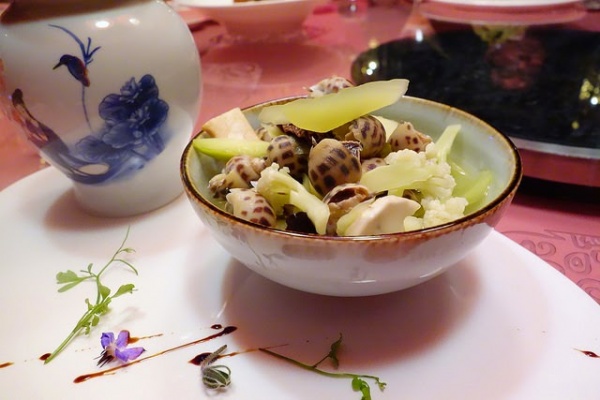
▼ ‘Mountain Delicacies Pickled in an Old Jar’ – The term ‘old jar’ originally referred to the vessels used by Sichuanese people to make pickles. Nowadays, however, it is used as a serving dish; when brought to the table, the jar immediately evokes a hint of that rich, rustic charm. Da Rong He. The mountain delicacies marinated in the old jar this time consist of slightly spicy yet incredibly flavourful baby conch, Chinese lettuce, pickled chillies, cauliflower and wild mushrooms. Whilst not quite as unforgettable as the ‘must-try’ dishes introduced earlier, ‘Mountain Delicacies Pickled in an Old Jar’ possesses a certain charm that invites one to savour it slowly.
▼ To finish off, a plate of stir-fried Chinese broccoli—Hong Kongers love to round off their meals with a plate of greens.

Wenhua Hall x Da Ronghe Sichuan Cuisine
Eight-course executive lunch = HK$698
Ten-course executive dinner = HK$1,480
Mandarin Hall. Mandarin Oriental, Hong Kong
Address: 25th Floor, The Mandarin Oriental, Hong Kong, 5 Connaught Road Central, Central
Tel: +852 2825 4003
Email: mohkg-manwah@mohg.com
 Chinese (Hong Kong)
  Chinese (China)
  English
  Japanese
  Korean